
Welcome To Our Clinic!




OPENING HOURS
Monday-Thursday
8:30 – 6:00pm
Friday
8:30 – 5:30pm
Saturday
8:30 – 2:00pm
Call Us Today
01923 268787
Your treatment plan is designed for steady progress, with every phase promptly implemented
Welcome To Our Clinic!
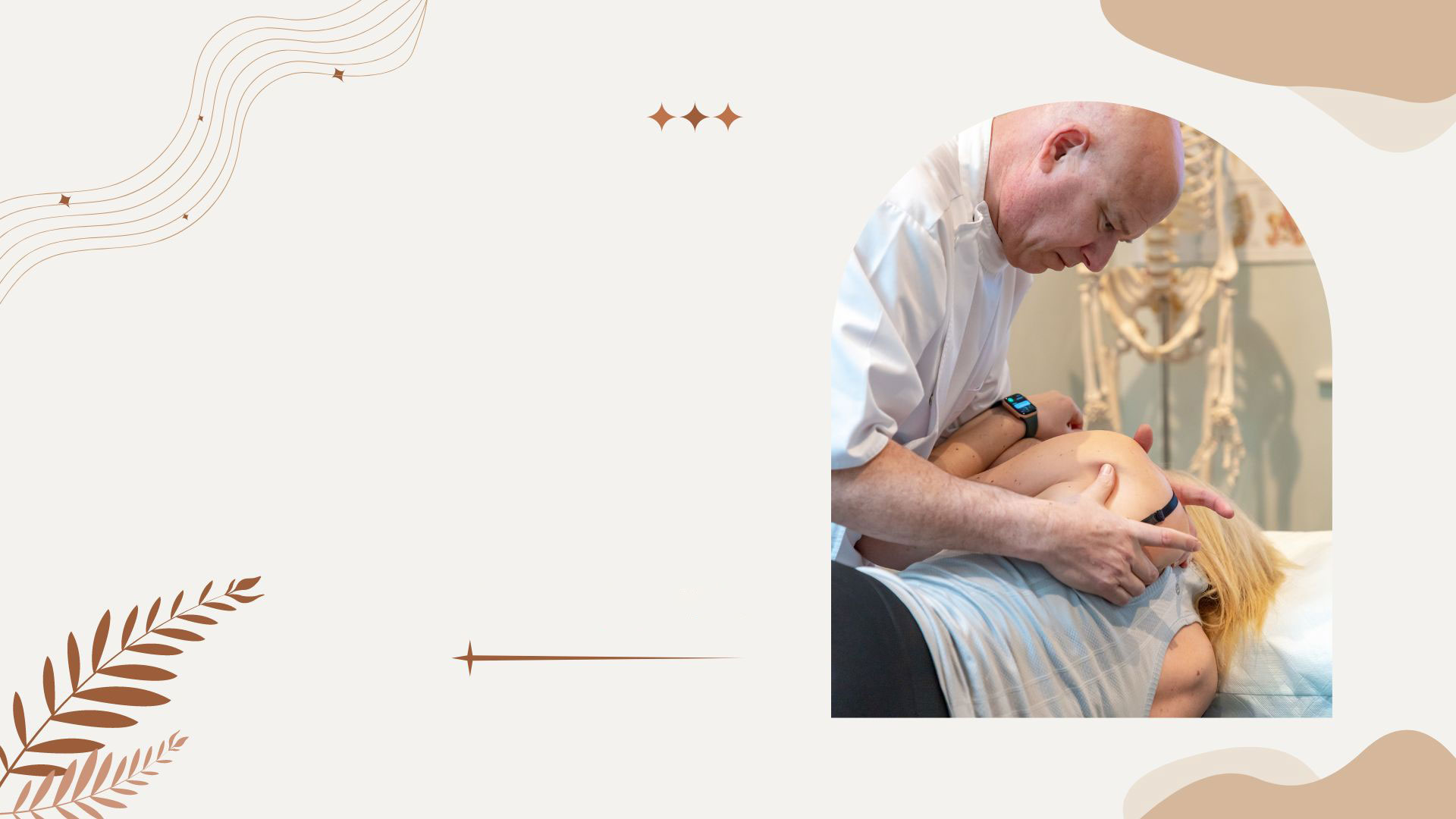
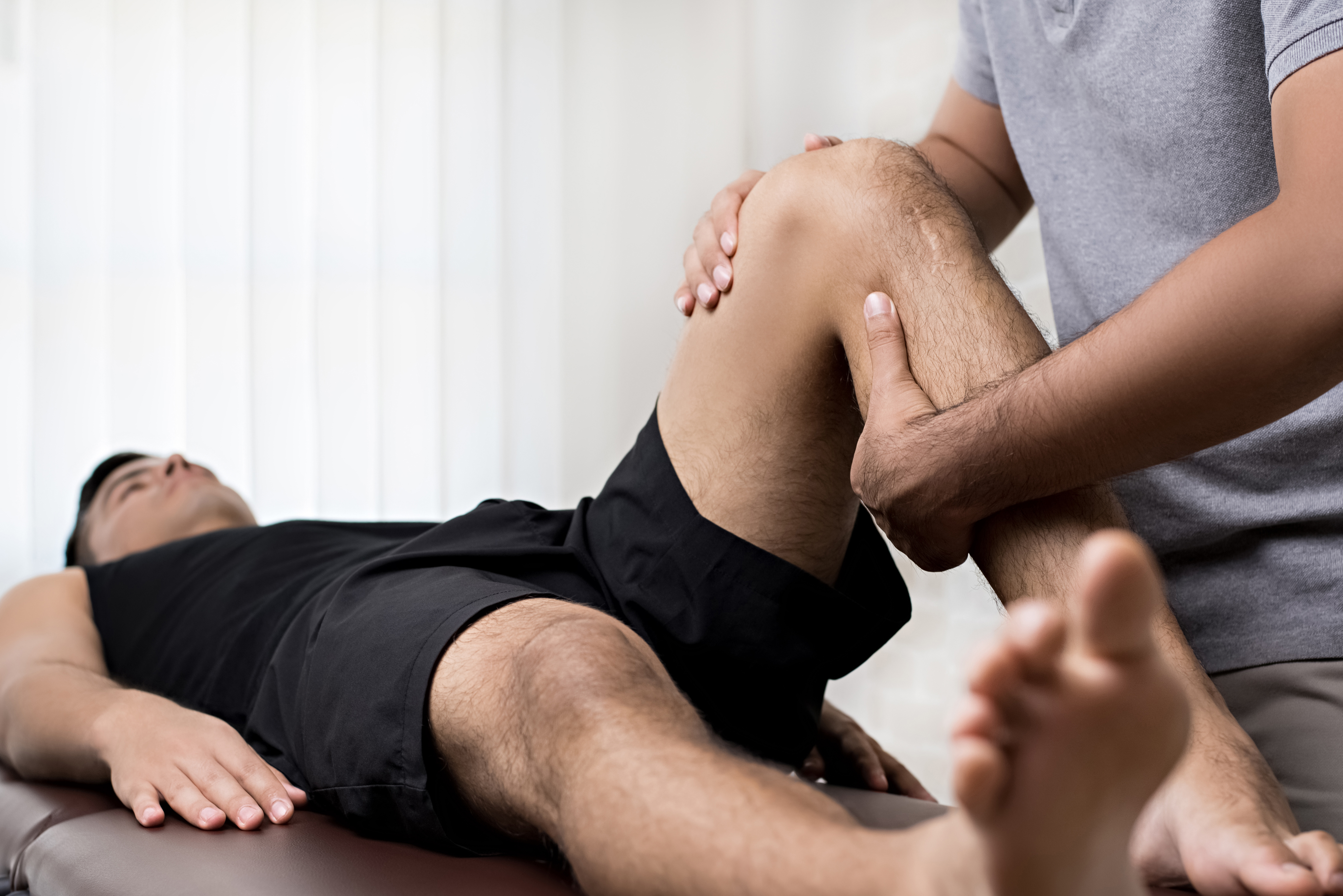
The centre of excellence in the diagnosis, treatment and management of foot, knee, hip, back, shoulder and neck pain.
Since 1995.
Our Team
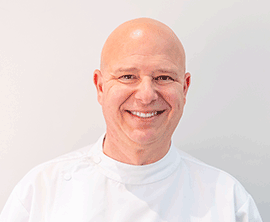

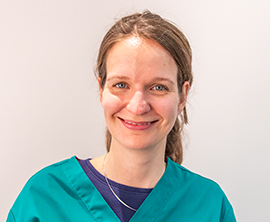
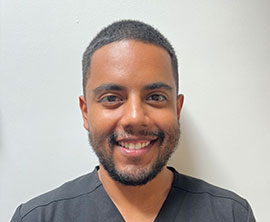

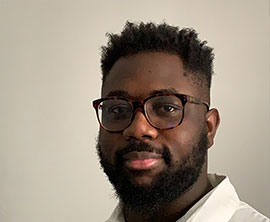
We believe
knowledge and understanding are essential to good health.
Our experience, expertise and enthusiasm, combined with a personal and friendly approach, delivers a standard of care of which we are proud
What our clients Say
“Edward worked wonders on my daughter with her silent reflux after only 3 sessions. Professional but also so caring – thanks to him we have a happier and more content little girl. Highly recommend.”

Claire Tanner-Stacey
“Having worn a multitude of insoles for the best part of my career, the orthotics you made me, have really helped correct my posture and improved the way I walk. They are so comfortable, you don’t even notice you’re wearing them.”
Prof. Laurie Hartman
“Since you fitted me with my orthotics, I have had pain free golf for the first time in many years. They feel fantastic and have given me a new lease of life as regards my enjoyment of playing. Many thanks.”
Kevin Merry
why choose us
The Abbots Langley Clinic aims to provide each of our patients with a consistently high quality of osteopathic care. In order to assist us in demonstrating this commitment. We have implemented the institute of Osteopathy’s Patient’s Chater to illustrate the standards you can expect from our clinic.
 EXPERIENCED PRACTITIONERSYour health is your most important asset. You should entrust it only to the best professionals.
 PERSONALISED TREATMENTTreatment matched to your goals. Our team will help get your health back on track.
 QUALITY AND SAFETYAll team members at The Abbots Langley Clinic have been trained thoroughly to assist in any situation.
 IMMEDIATE SERVICEYour treatment plan is designed for steady progress, with every phase promptly implemented.








Request An Appointment
Latest Blogs
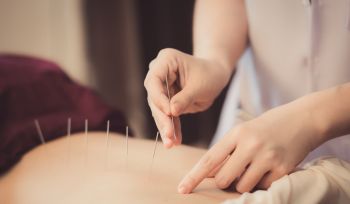
Title: The Art of Healing: Navigating Wellness through Acupuncture
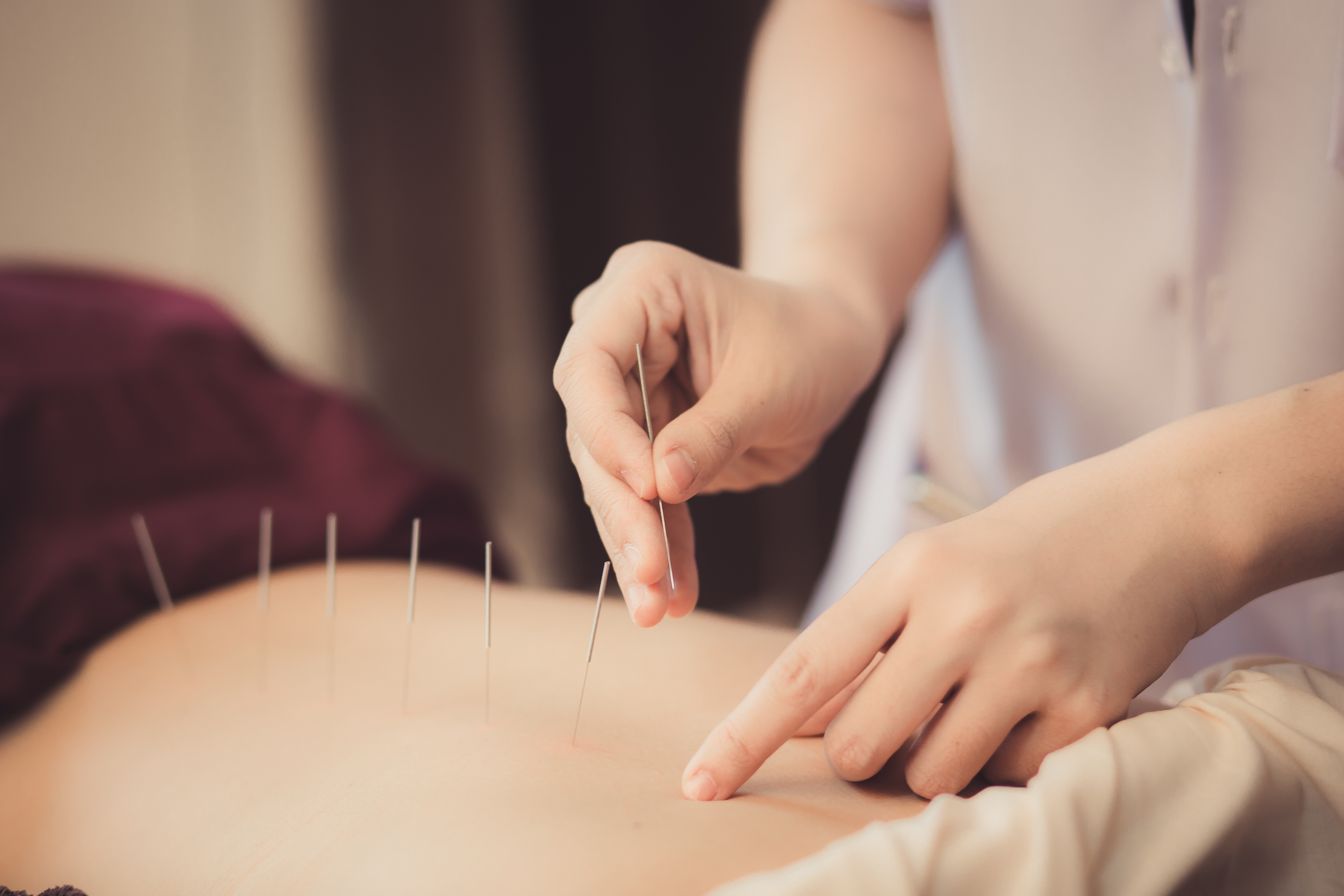
In the vast landscape of alternative therapies, acupuncture has emerged as a time-honored practice, tracing its roots back thousands of years in traditional Chinese medicine. Beyond its ancient origins, acupuncture continues to captivate the modern world as a holistic approach to wellness. This blog post aims to unravel the intricacies of acupuncture, shedding light on its principles, benefits, and how this ancient art can be a transformative force in enhancing physical and mental well-being.
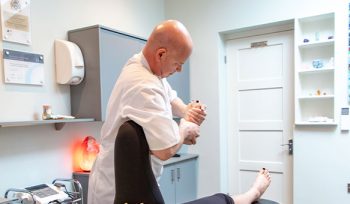
Unveiling the Healing Touch: A Deep Dive into the World of Osteopathy
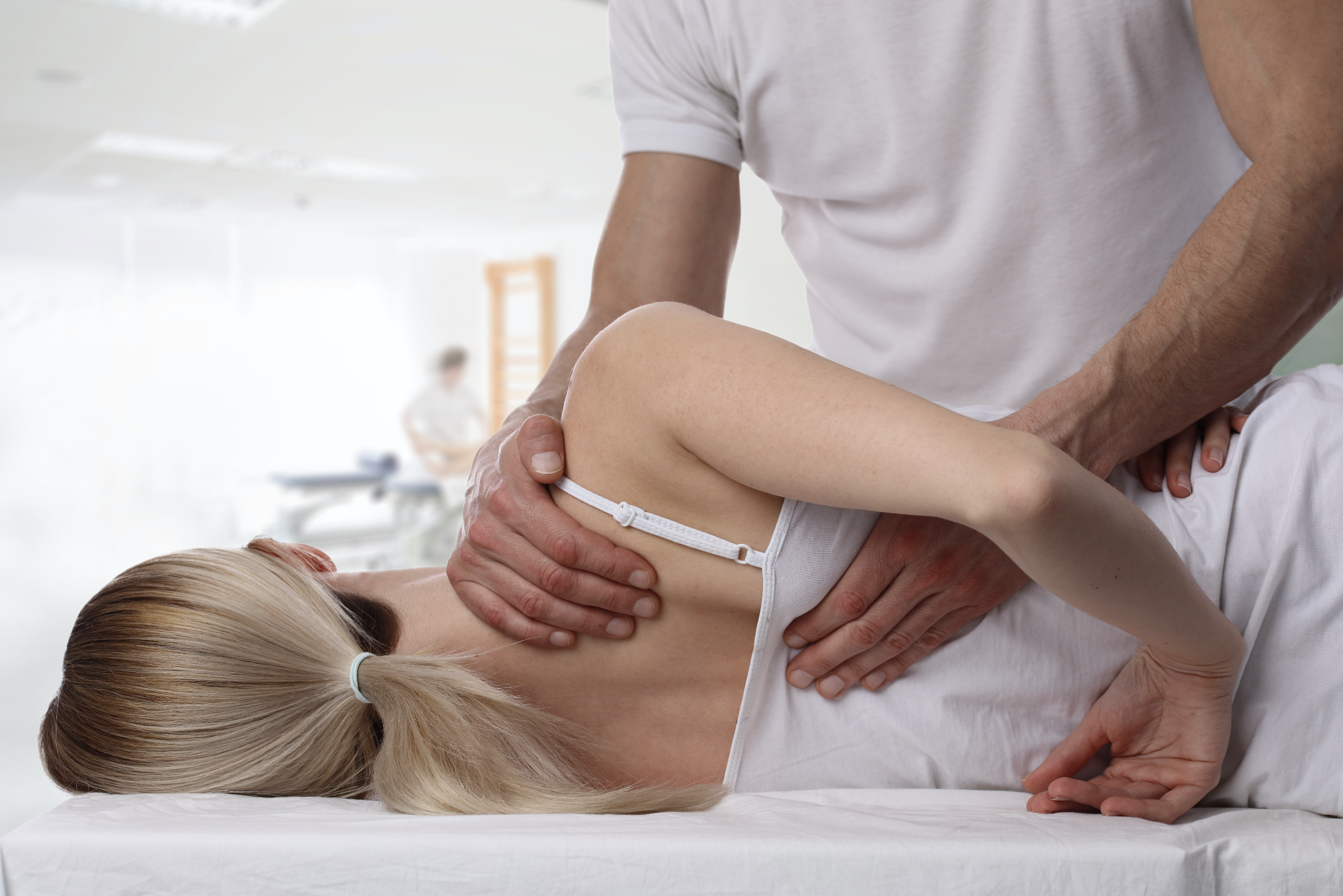
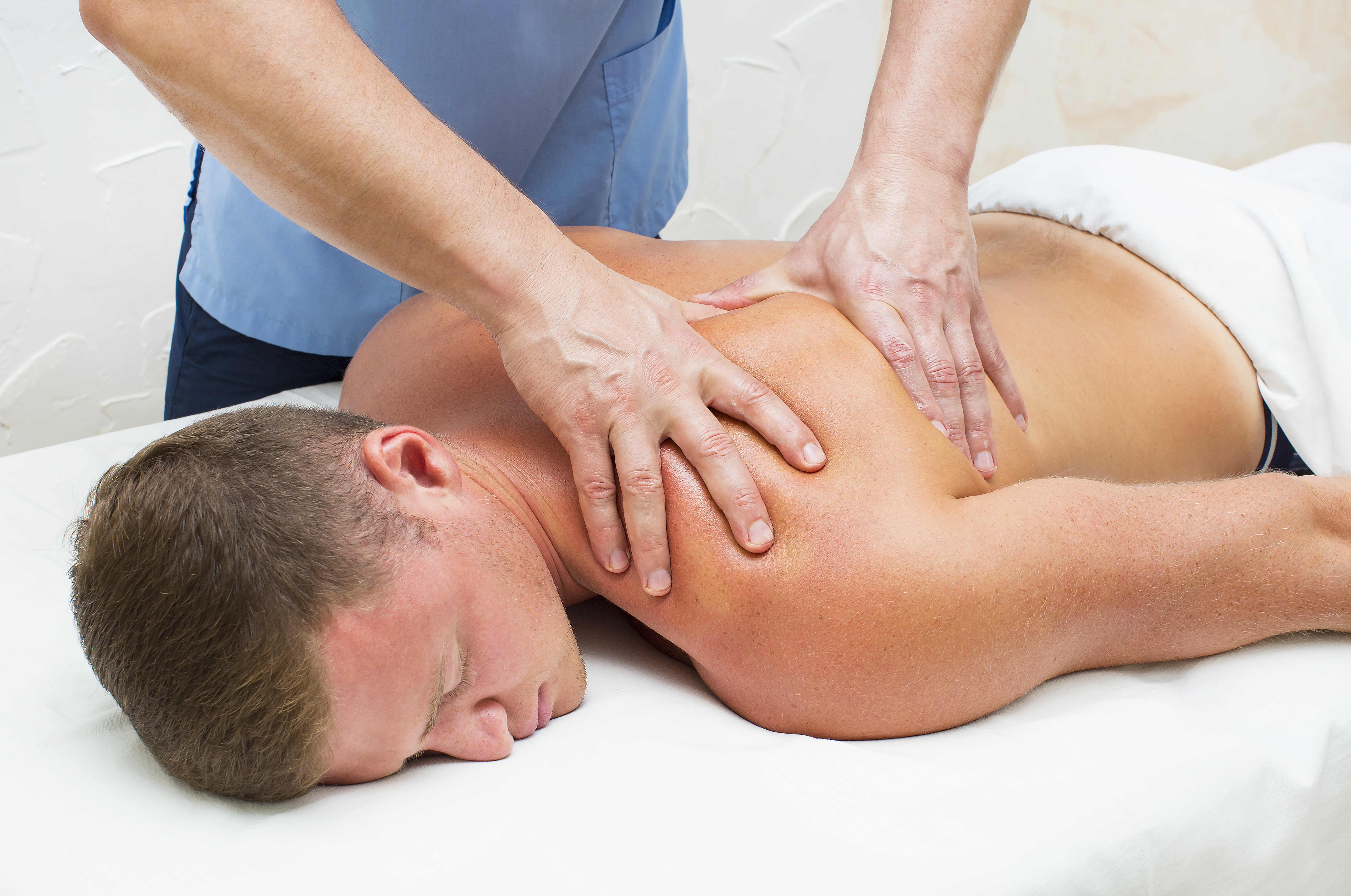
In the pursuit of holistic well-being, alternative healthcare practices have gained prominence, offering a more comprehensive approach to healing. One such discipline that stands out is osteopathy. This blog post seeks to unravel the mysteries of osteopathy, exploring its principles, benefits, and how it can be a transformative force in enhancing both physical and mental health.
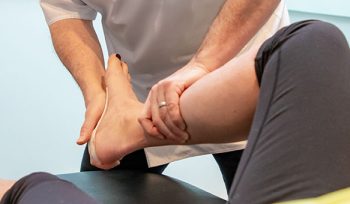
The Invisible Heroes in Your Shoes: Demystifying the Wonders of Orthotics
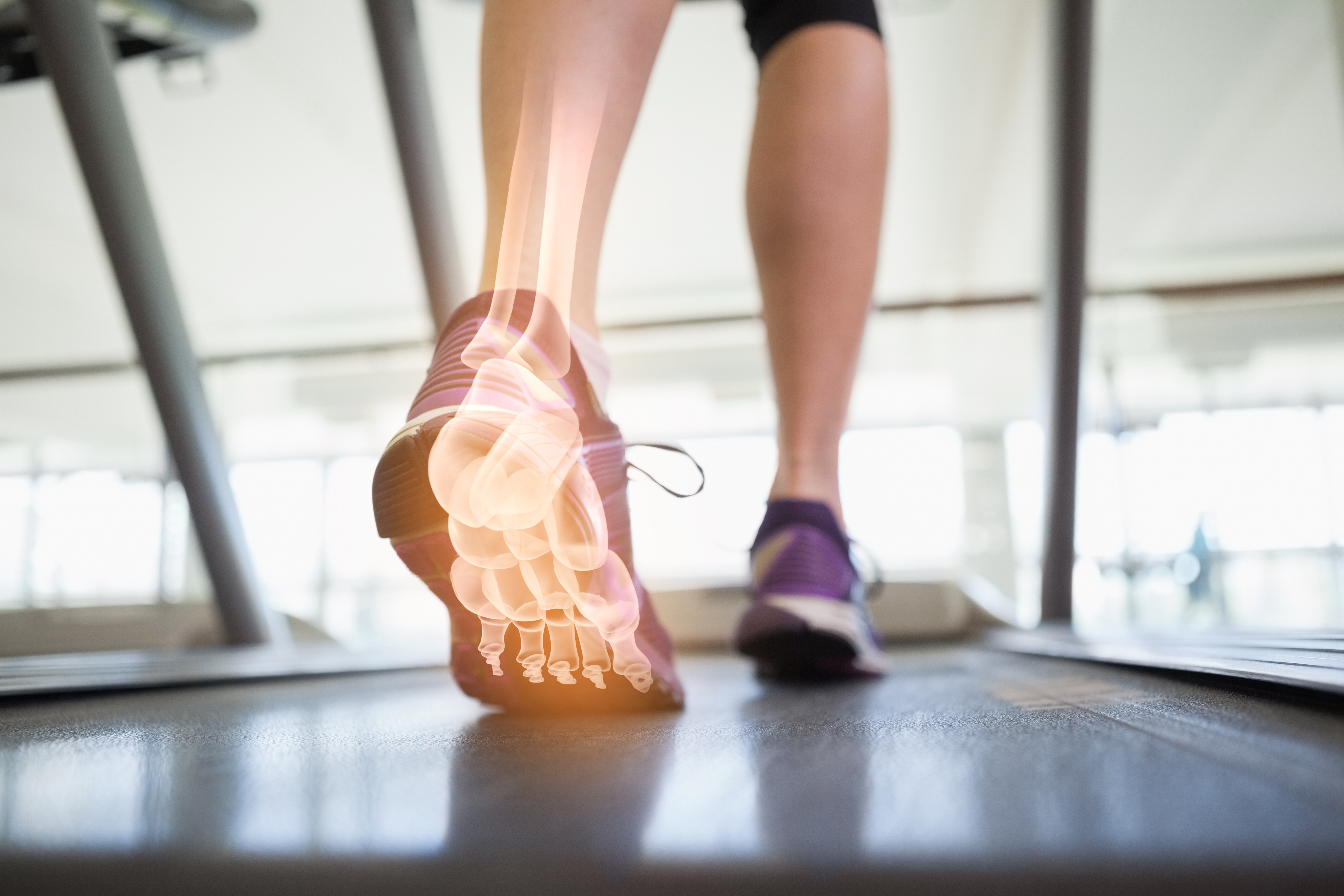
In the hustle and bustle of our daily lives, the unsung heroes providing us stability and comfort often go unnoticed—until discomfort strikes. Enter orthotics, the silent saviors residing in our shoes, working tirelessly to support our every step. This blog post aims to demystify the wonders of orthotics, shedding light on their significance in maintaining not just foot health, but overall well-being.